

 engelsk
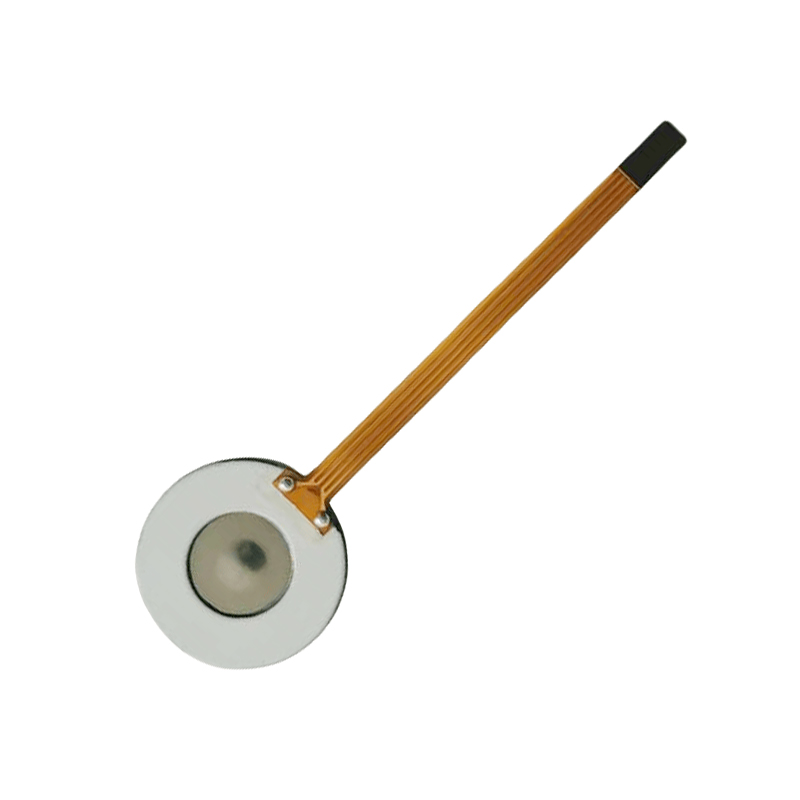
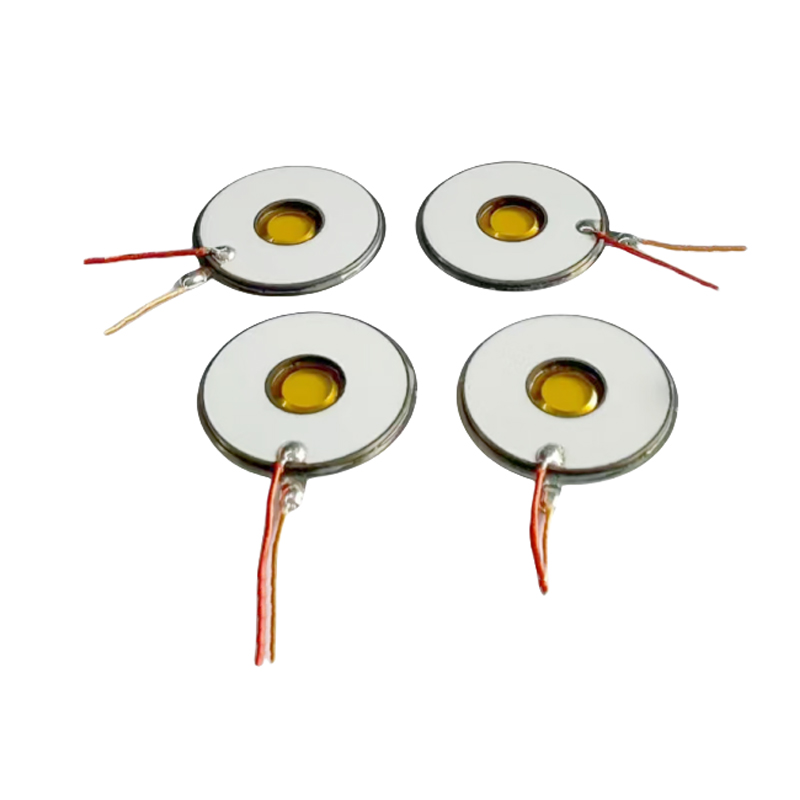
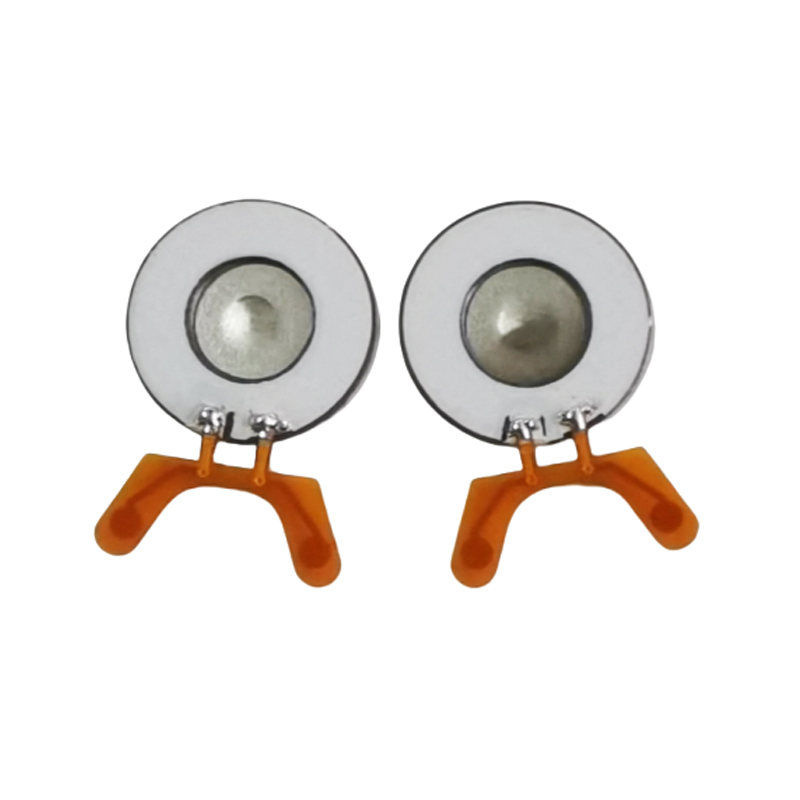
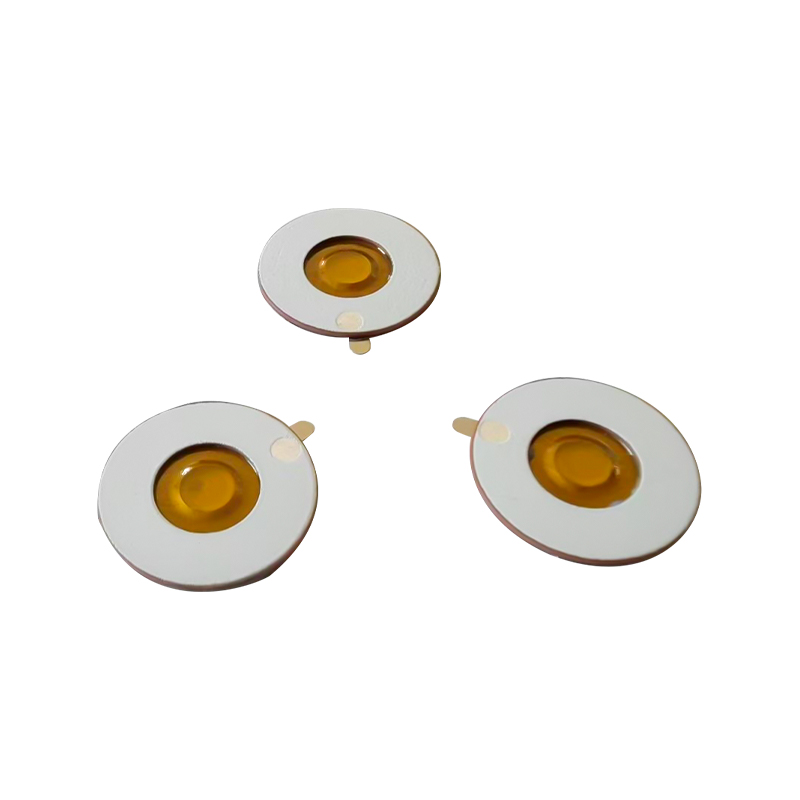
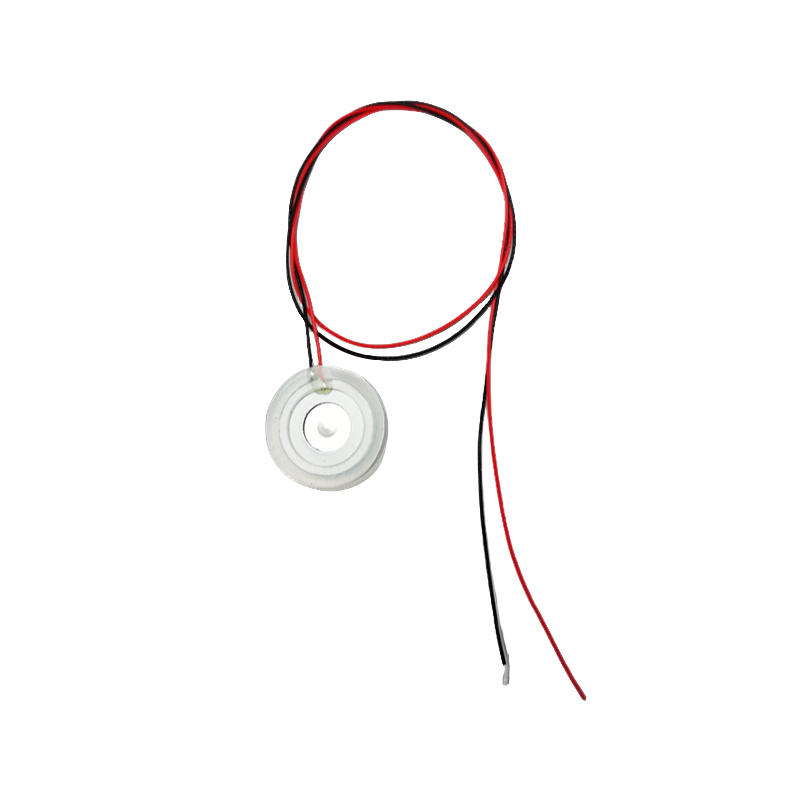
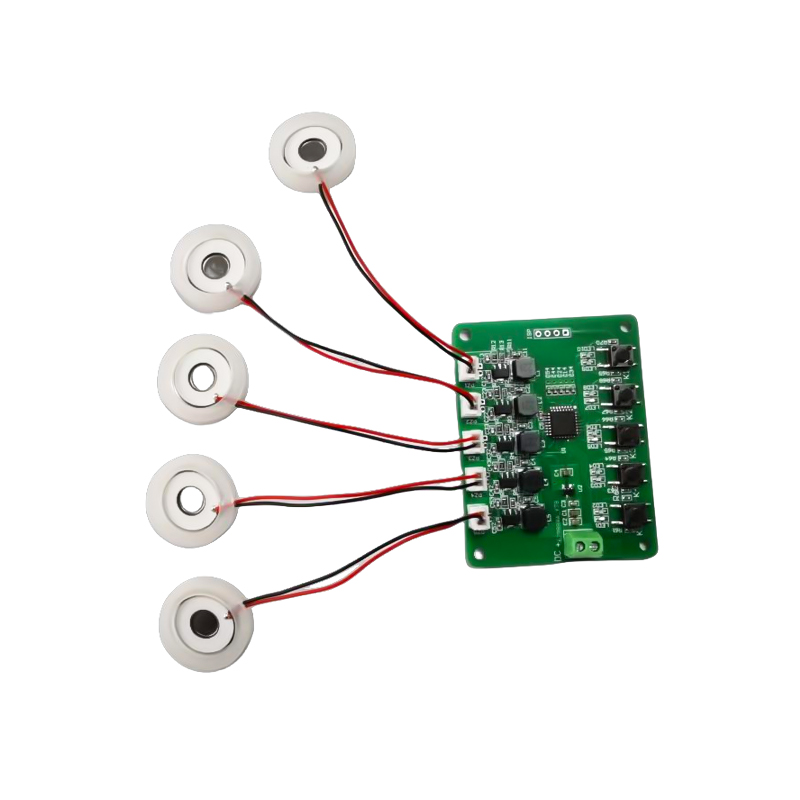
Precision Laser Micro-hole Processing Technology Produsenter
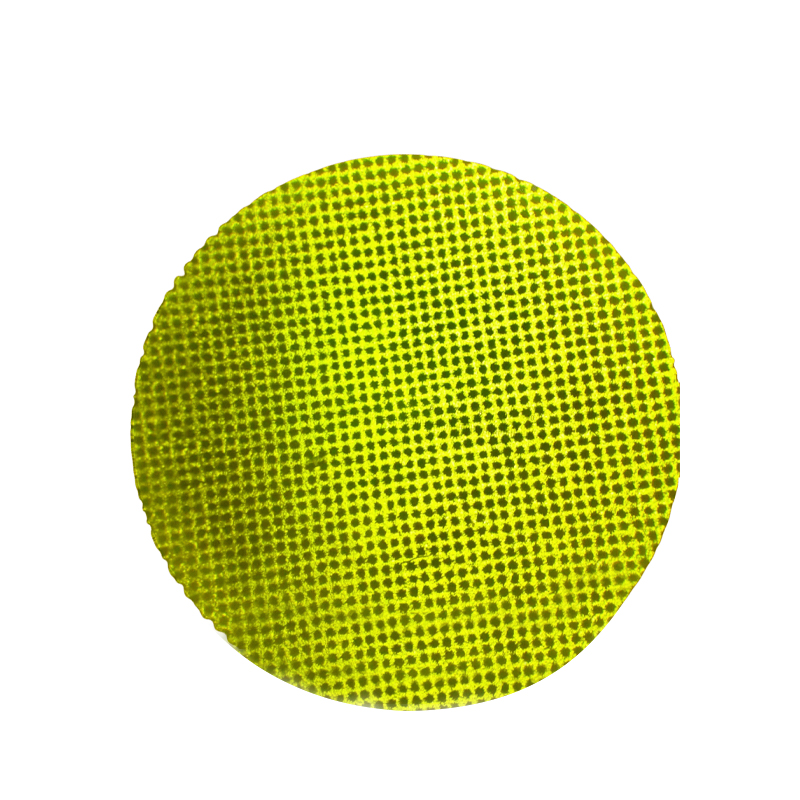
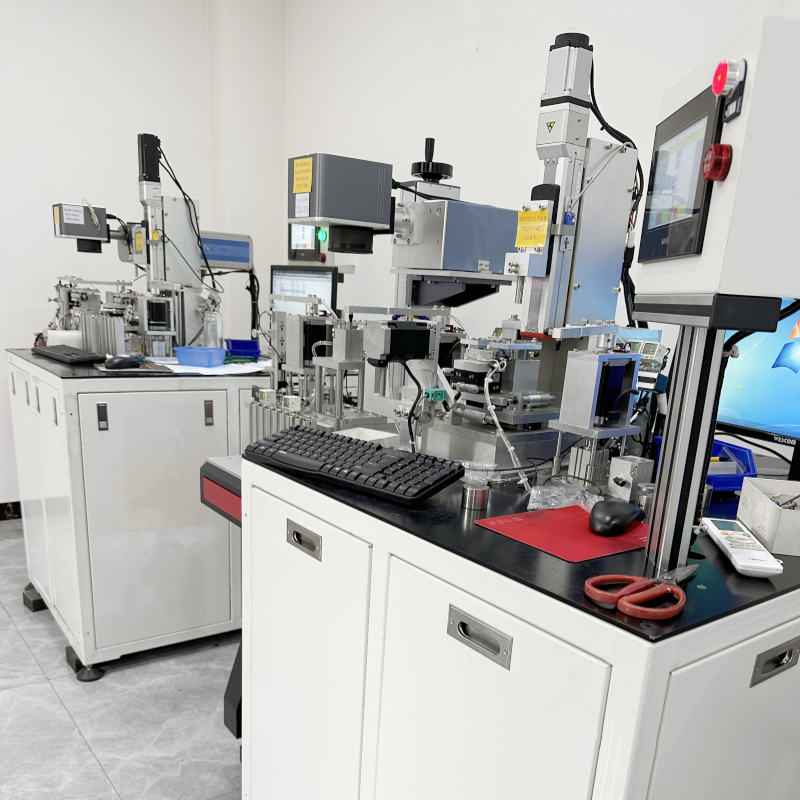
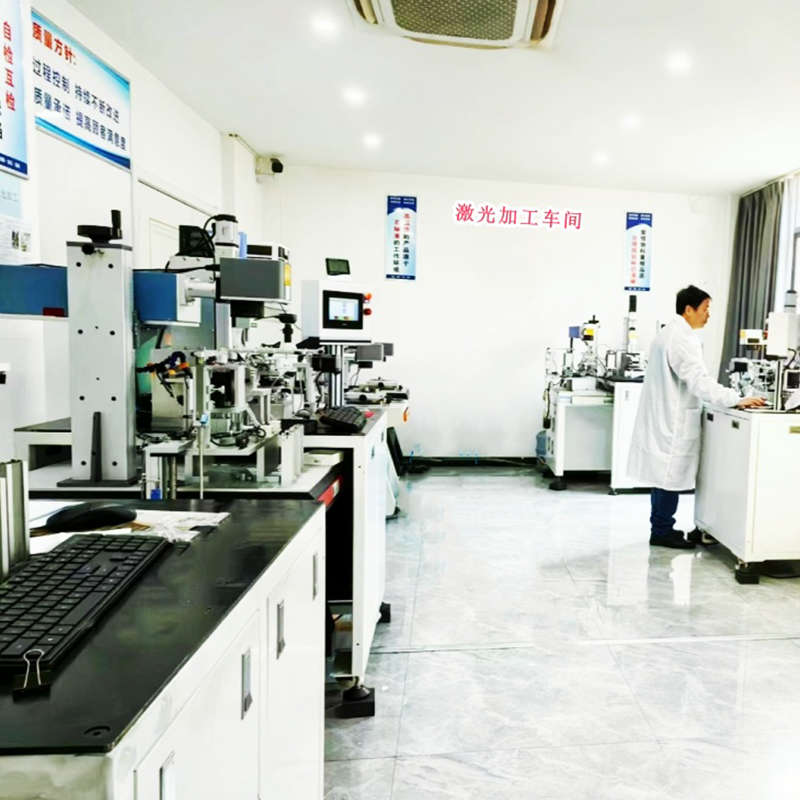
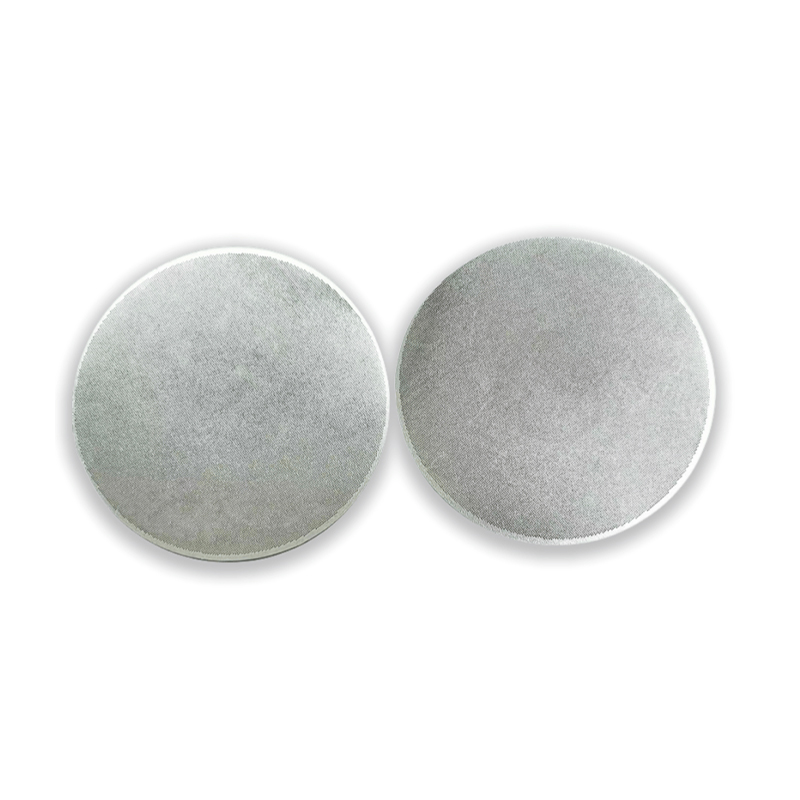
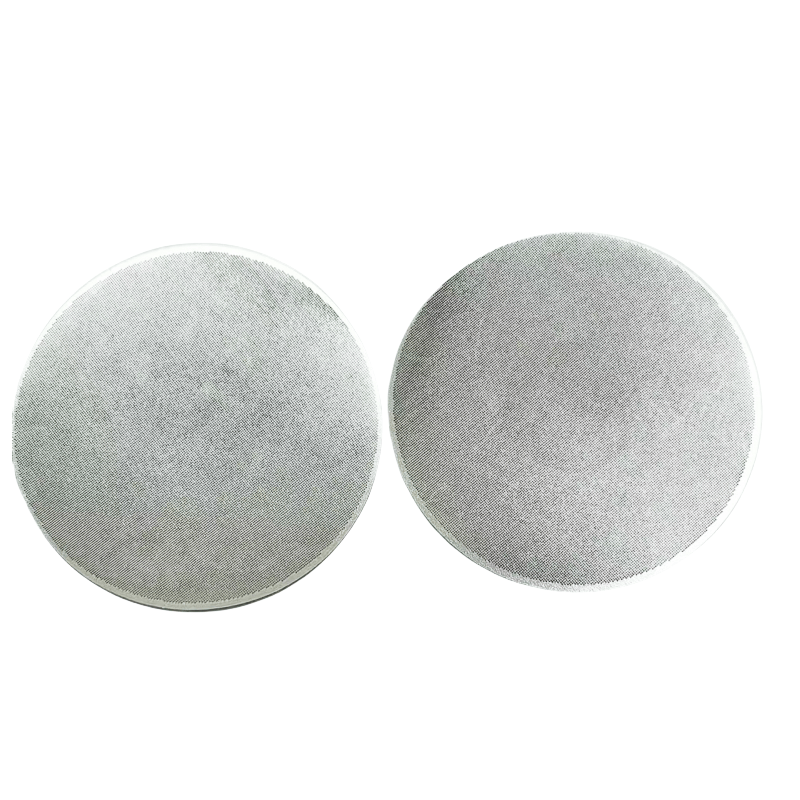
Laser mikroporøs prosessering kan tilpasses for kunder med ulike krav til presisjon mikroporøs, vår minste mikroporøse φ2μm maksimale mikroporøse φ30um har en svært høy prosesseringsnøyaktighet, gjeldende for rustfrie stålmaterialer og titanlegeringsmaterialer. Vi kan realisere komplekse mikroporøse former og array-oppsett for å møte de strenge kravene til mikroporøs prosessering for avanserte elektroniske filtre, vannrenserfiltre, medisinsk utstyr, presisjonsinstrumenter og andre industrier.
Saida Piezoelectric er en globalt anerkjent teknologibedrift som spesialiserer seg på produksjon og fremstilling av medisinske forstøvningsrelaterte produkter. Vi er Kina Precision Laser Micro-hole Processing Technology Produsenter og Tilpasset OEM/ODM Precision Laser Micro-hole Processing Technology Selskap, Vi har vært forpliktet til innovasjon, forskning og utvikling, og promotering av ultralyd piezokeramikk, blyfrie forstøvningsprodukter, elektroniske komponenter og relaterte PCBA-designløsninger. Vårt mål er å forbedre menneskers livskvalitet gjennom teknologi, og oppnå en mer effektiv, grønn og bærekraftig fremtid for samfunnet.
Siden etableringen i april 2011 har selskapet vært i forkant av teknologisk utvikling, med et fremragende forsknings- og utviklingsteam, avansert produksjons- og fabrikasjonsutstyr, og presisjonstestingsutstyr. Vi dekker et bredt spekter av ultralydforstøvningsprodukter innen vårt fagfelt, inkludert blybaserte og blyfrie medisinske inhalerbare forstøvningstabletter, luftfukterforstøvningstabletter, eteriske oljeforstøvningstabletter, industrielle forstøvningstabletter, samt sensorprodukter relatert til ultralyd piezoelektrisk og PCBA-driverløsninger. Vi fokuserer ikke bare på dyptgående teknologisk forskning og utvikling, men anvender også aktivt teknologiske resultater i praktisk liv, slik at teknologiprodukter virkelig kan tjene og gagne samfunnet, og gjøre verden mer spennende og vakker.
Sertifisering

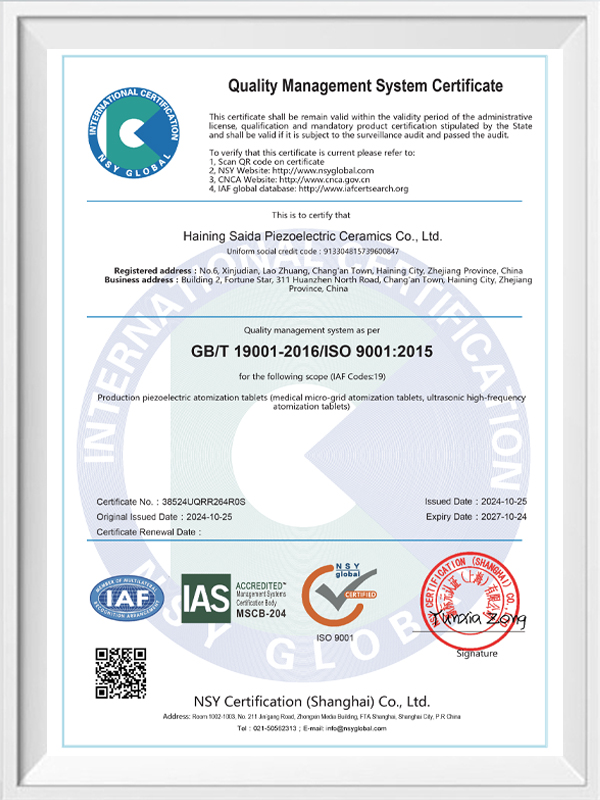
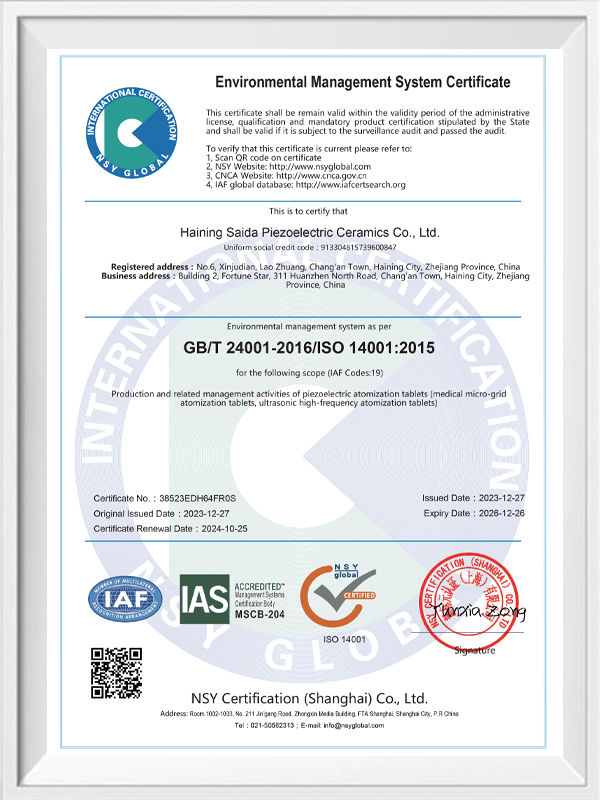
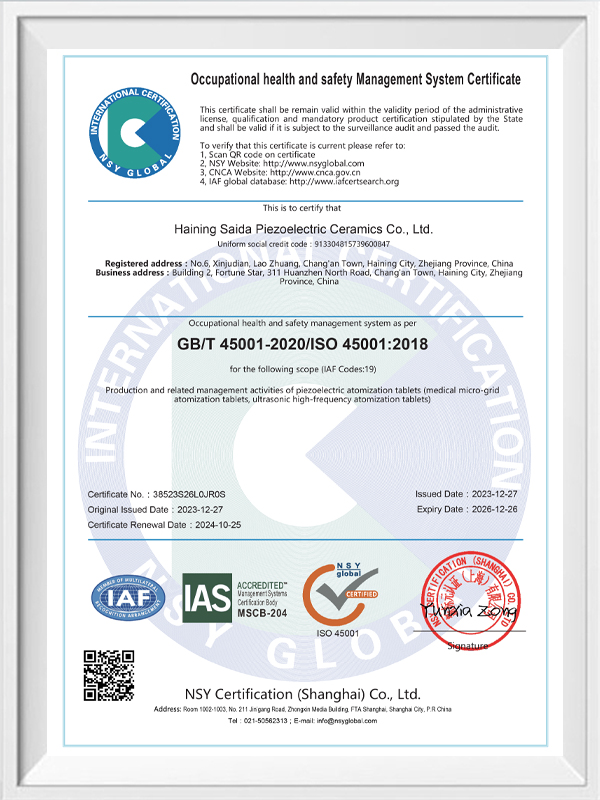
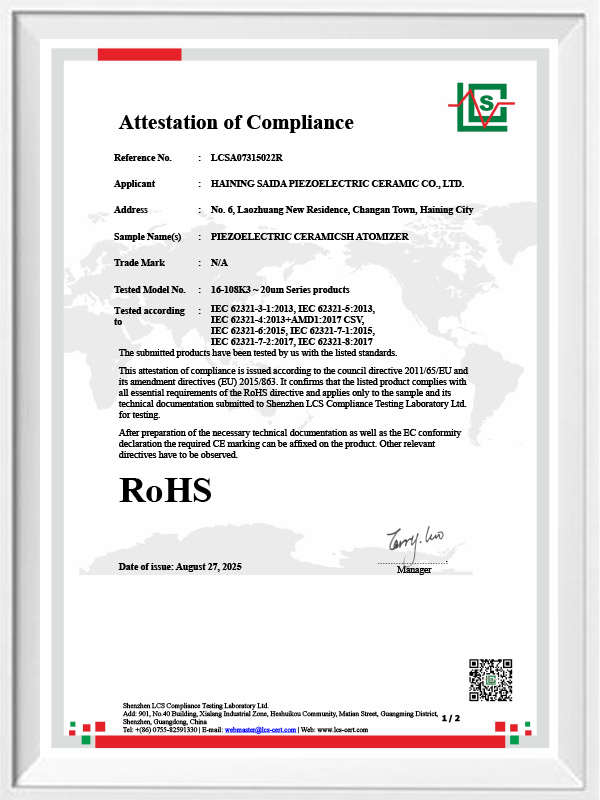
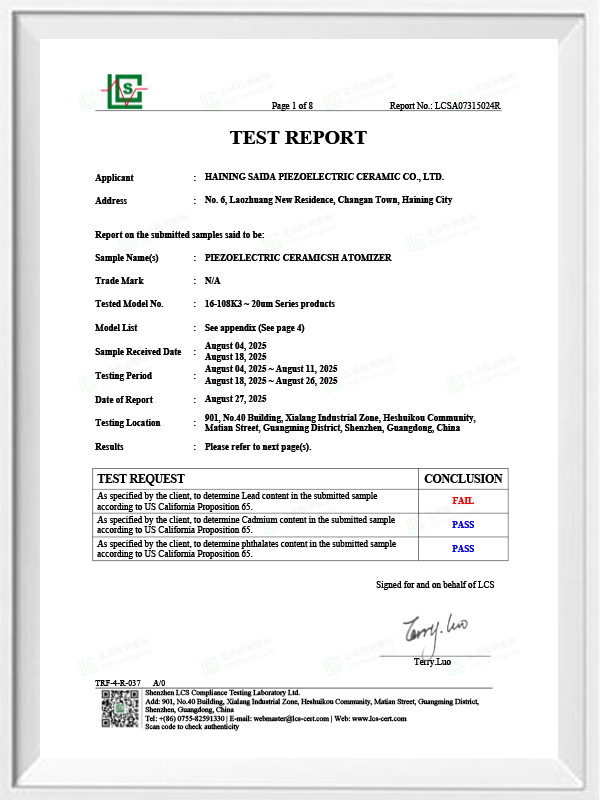
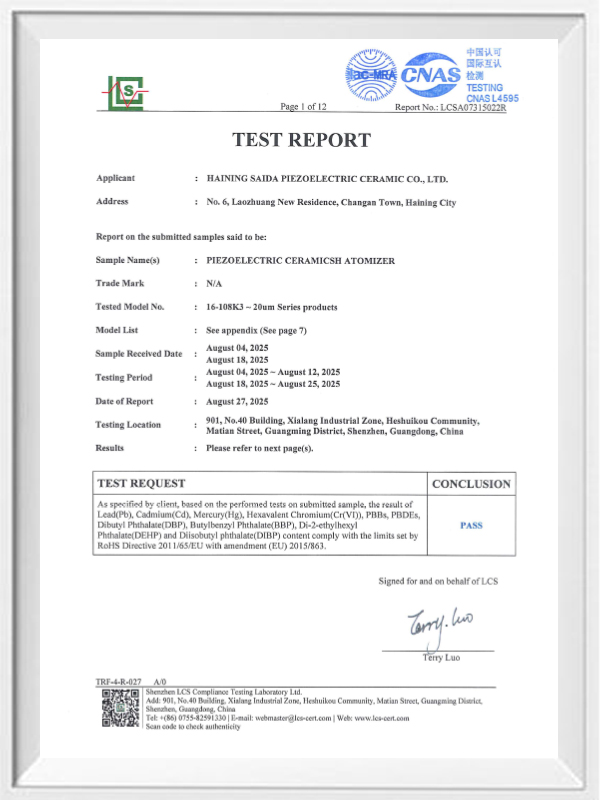
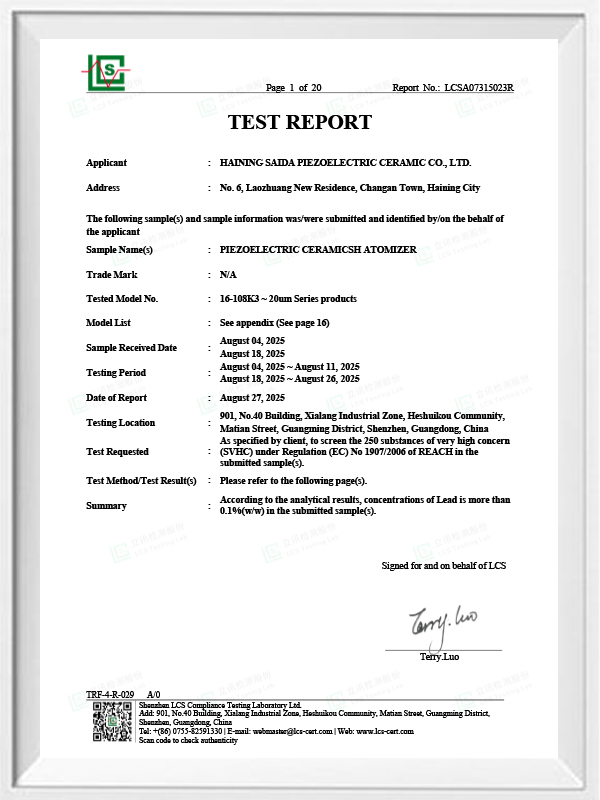
Våre medisinske inhalerbare piezoelektriske forstøvningsserieprodukter har alle bestått sertifiseringene som kreves for eksportstandarder. De inkluderer ROHS-sertifisering, ISO9001 kvalitetssystemsertifisering, helsesystemsertifisering GB/T45001-2020/ISO 45001:2018, GB/T28001-2001 idt OHSAS18001:1999 Arbeidsmiljø- og sikkerhetssertifisering, miljøsystemsertifisering GB/T24001-2016/ISO 14001:2015, California Proposition 65, REACH, og de medisinske forstøvningsproduktene har også blitt sertifisert av US FDA.
nyheter
-
Bransjenyheter
Hvorfor medisinsk-grade PCB-design definerer Piezo Atomize...
Hvorfor PCB-design definerer atomiseringsytelse i medisinske enheter I en piezoforstøver får det vibrerende nettet eller platen oppmerksomheten. PCB blir ofte behandlet som en støttekomponent. Denne antagelse...
-
Bransjenyheter
Hva gjør Precision Laser Microvias avgjørende for Piezo At...
Der mikrohullsnøyaktighet bestemmer tåkekvaliteten En piezoelektrisk forstøver gjør elektrisk energi til en fin spray ved å vibrere et tynt metallnett med høy frekvens. Tåkens karakter avhenger nesten helt av...
-
Bransjenyheter
Hvordan velge riktig nettforstøverbrikke for medisinsk uts...
Den mesh forstøverbrikke er langt mer enn et enkelt tilbehør. Det er den konstruerte kjernen som bestemmer aerosoleffektivitet, medikamentleveringskonsistens, enhetens levetid og regeloverholdelse i mode...
Precision Laser Micro-hole Processing Technology Bransjekunnskapsutvidelse
How do parameters such as laser power, pulse frequency, and scanning speed affect the quality of Precision Precision Laser Micro-hole Processing Technology Technology?
Influence of laser power
Laser power is one of the core parameters that determine the processing effect. It directly determines the energy density of the laser beam when it acts on the material. Too high power may cause excessive melting or even vaporization of the material, resulting in irregular hole walls or expansion of the heat-affected zone (HAZ); while too low power may not effectively penetrate the material, resulting in processing failure. Accurate control of laser power is the key to achieving high-quality micro-hole processing.
In our Precision Precision Laser Micro-hole Processing Technology Technology, we use advanced laser equipment and precision control systems to ensure high-precision micro-hole processing on materials such as stainless steel and titanium alloys. For example, our Precision Precision Laser Micro-hole Processing Technology Technology technology can achieve micro-holes with a minimum of φ2μm and a maximum of φ30μm, meeting the strict requirements of medical devices and precision instruments for micro-hole size. This high-precision processing capability has been widely used in products such as medical atomizers and water purifier filters.
The selection of laser power also needs to consider the characteristics of the material. For example, for high reflectivity materials (such as copper and aluminum), we adjust the laser power and wavelength to reduce reflection loss and ensure processing efficiency and quality. For heat-sensitive materials, we reduce the heat-affected zone and avoid material deformation or damage by reducing power and optimizing processing parameters.
The role of pulse frequency
The pulse frequency determines the number of times the laser energy acts on the material per unit time. High pulse frequency can improve processing efficiency, but may cause heat accumulation and affect the quality of the hole wall; low pulse frequency helps to reduce the heat-affected zone, but will reduce the processing speed. The choice of pulse frequency requires finding a balance between efficiency and quality.
In our processing, we rely on advanced automatic laser drilling machines and precision testing equipment to flexibly adjust the pulse frequency according to customer needs. For example, in the manufacture of medical atomizers, we ensure the consistency of micropore shape and array layout by accurately controlling the pulse frequency, thereby improving the performance and reliability of the product. For micropore processing of complex shapes, we achieve high-precision processing effects by adjusting the pulse frequency and laser energy distribution.
The pulse frequency is closely related to the thickness and hardness of the material. For thicker or harder materials, we usually use higher pulse frequencies to improve processing efficiency; for thinner or softer materials, we use lower pulse frequencies to reduce the heat-affected zone.
Optimization of scanning speed
The scanning speed directly affects the residence time of the laser beam on the material surface. Too fast speed may lead to insufficient processing and incomplete micropores; too slow speed may cause overheating of the material, resulting in rough or deformed hole walls. Optimization of scanning speed is an important part of achieving high-quality micropore processing.
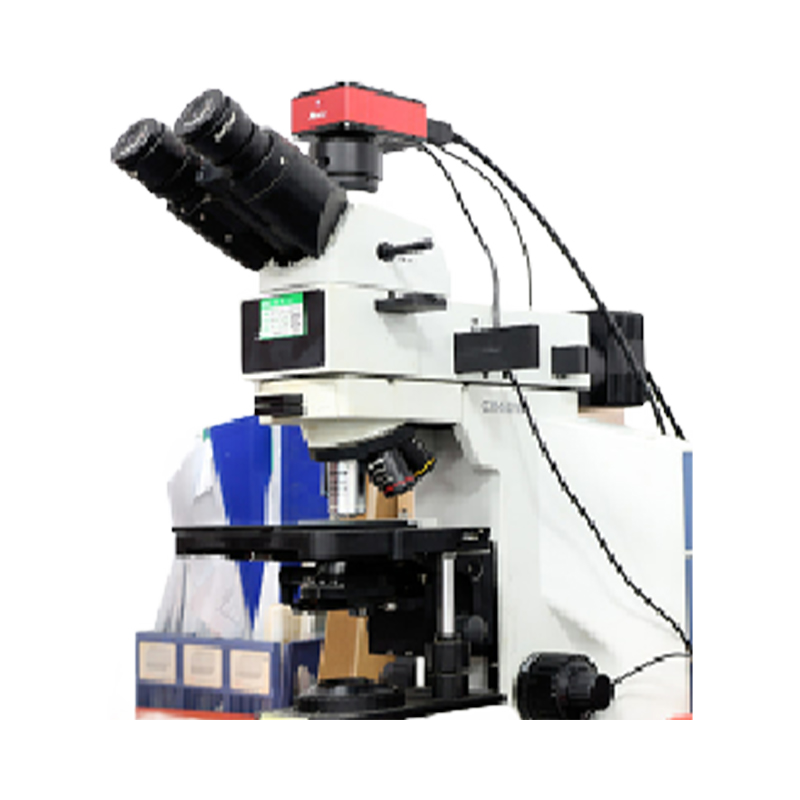
In our process flow, we optimize the scanning speed and combine testing equipment such as particle analyzers and metallographic microscopes to ensure that each process meets the highest standards. For example, in the micropore processing of water purifier filter elements, we achieve high-precision processing of complex micropore shapes by accurately controlling the scanning speed to meet customers' requirements for material physical and chemical properties and high-precision geometric dimensions.
The selection of scanning speed also needs to consider the synergistic effect of laser power and pulse frequency. Through experiments and data analysis, we have established a complete set of parameter optimization models that can quickly determine the optimal scanning speed according to different materials and processing requirements.
Application of Precision Laser Micropore Processing
Precision laser micropore processing technology is widely used in many fields. In the field of medical devices, we use high-precision micropore processing technology to manufacture excellent medical atomizer sheets for atomization treatment of inhalable drugs. In the field of electronic components, we provide high-precision micropore processing services for high-end electronic filter elements and precision instruments to ensure product performance and reliability.
In the field of environmental protection, our laser micropore processing technology is widely used in the manufacture of water purifier filter elements. By precisely controlling the size and distribution of micropores, we can significantly improve the filtration efficiency and life of the filter element. Our technology is also used in the aerospace field to provide high-quality micropore processing services for precision sensors and engine components.
Vær den første til å vite
For eksklusive tilbud og siste tilbud, registrer deg ved å skrive inn e-postadressen din nedenfor.
- Produktkoblinger
- Medisinsk Mesh Piezo Atomizer
- Polymer PI Film Piezo Atomizer
- KNN Blyfri Mesh Piezo Atomizer
- PI blyfri mesh nullstillingsbrikke
- Mikro-mesh Piezo Atomizer For Varmer
- Piezo-forstøver for vifte/fukting/skjønnhet
- Ultrasonisk atomiseringstransduser
- Ultralyd høyfrekvent Piezo Atomizer
- Strømproduksjon/varmesensor Piezo Atomizer
- Medisinsk Piezo Atomizer PCB Design
- Precision Laser Micro-hole Processing Technology
- Kontakt
-
Bygning 1, Fortune Star 2, No.311 Huanzhen North Road, Chang'an Town, Haining City, Zhejiang-provinsen, Kina.

-
+86-18006619680

-
+86-13777879680

-
Felix@saidapiezo.com

riney@saidapiezo.com
yugao@saidapiezo.com
emily@saidapiezo.com
dean@saidapiezo.com -
Felix: +86 18157327658

John: +86 18957351358
Emily: +86 18957339358
Dean: +86 15356418868
- Mobil